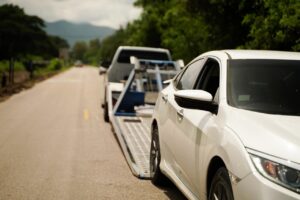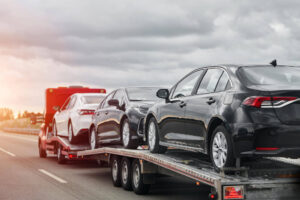
Your car won’t start after trip situations affect thousands of travelers annually, creating unexpected stress at airports and distant parking locations. Extended parking periods, weather exposure, and mechanical issues can leave vehicles inoperable or unsafe for long-distance driving home. When vehicles break down far from home, long distance towing becomes essential for safe transport back to familiar repair facilities rather than risking highway breakdowns with unreliable cars.
This guide explains why vehicles develop problems during travel, how to diagnose starting issues safely, and when professional vehicle transport becomes necessary instead of risky long-distance driving. Understanding post-travel vehicle problems helps travelers make informed decisions about repairs and safe transportation alternatives when driving hundreds of miles isn’t advisable.
When car won’t start after trip emergencies occur in the Triangle region, Agile Towing Company Cary provides reliable assessment and professional vehicle transport services throughout North Carolina. Contact us at (919) 276-5900 for expert guidance when travel-related vehicle problems require professional evaluation and long distance towing solutions.
Why Your Car Won’t Start After Trip: Common Causes
Extended parking creates multiple conditions that prevent normal vehicle starting. Battery systems suffer most during prolonged periods without engine operation, as modern vehicles maintain electrical systems even when parked.
Battery and Electrical Problems
Vehicle batteries naturally discharge over time, with complete failure possible after 2-3 weeks of inactivity. Security systems, clocks, and computer modules continue drawing power even when vehicles are off. Cold weather accelerates battery discharge, while hot climates cause internal battery damage.
Electrical connections corrode during extended parking, especially in coastal areas where salt air affects metal components. Airport parking lots expose vehicles to extreme temperatures and weather that stress electrical systems beyond normal parameters.
Environmental Damage
Temperature extremes cause fluid evaporation, seal deterioration, and component expansion beyond specifications. Humidity creates condensation in fuel systems and electrical components, leading to corrosion and failures.
Rodent activity in long-term parking areas damages wiring harnesses and rubber components. Airport facilities often experience wildlife problems resulting in expensive electrical damage requiring professional diagnosis.
Diagnosing Car Won’t Start After Trip Issues
Systematic diagnosis determines whether problems need simple solutions or professional assessment. Basic troubleshooting prevents panic while identifying serious issues requiring immediate attention.
Quick Assessment Steps
- Check battery connections for corrosion, looseness, or damage
- Test electrical systems by activating headlights, radio, and dashboard
- Listen for fuel pump sounds when turning ignition to “on” position
- Inspect for fluid leaks under the parking space
Complete electrical failure indicates severe battery discharge, while partial function suggests charging system problems. No fuel pump sound may indicate pump failure or electrical issues affecting fuel delivery.
Professional Assessment Warning Signs
Unusual grinding, knocking, or squealing sounds indicate potential engine problems that developed during parking. Strong fuel, oil, or coolant odors suggest system leaks that worsened during extended parking.
Multiple simultaneous electrical failures indicate computer module problems requiring specialized diagnostic equipment beyond basic troubleshooting capabilities.
When Driving Home Isn’t Safe
Determining whether to drive home or arrange professional transport depends on symptom severity, distance, and safety considerations for highway travel with unreliable vehicles.
Distance and Safety Factors
Vehicles with intermittent problems may fail during highway travel, creating dangerous breakdown situations. Short trips to local facilities pose less risk than long-distance highway driving with unknown mechanical issues.
Consider total distance when evaluating repair versus transport decisions. Driving 50+ miles with uncertain reliability creates significant breakdown risks, especially on busy highways or during bad weather.
Professional Transport Benefits
Long-distance vehicle transport eliminates breakdown risks while ensuring safe delivery to trusted repair facilities. Transport services use specialized equipment for disabled vehicles, providing security and weather protection.
Transport proves valuable when multiple systems fail, indicating complex problems requiring comprehensive diagnosis by familiar mechanics. Emergency repairs at distant locations often cost more and provide lower quality than established service relationships.
Prevention for Future Travel
Pre-Travel Preparation
- Test battery before extended parking to identify weak batteries
- Check fluid levels to ensure adequate lubrication during storage
- Add fuel stabilizer for trips exceeding two weeks
- Document vehicle condition with photos for insurance
Smart Parking Practices
Choose covered parking when available to minimize weather exposure. Position vehicles away from high-traffic areas to reduce accident risks. Disconnect battery cables for parking exceeding one month. Set security systems appropriately to minimize battery drain.
Emergency Transportation Options
When car won’t start after trip situations require immediate transportation, rental cars through insurance provide immediate solutions while addressing vehicle problems. Airport shuttles and public transportation offer temporary alternatives for reaching home.
Professional vehicle transport services provide comprehensive solutions when driving isn’t safe due to mechanical concerns. These services eliminate breakdown risks while ensuring vehicles reach repair facilities safely.
Making Smart Repair Decisions
Professional diagnostic assessment becomes necessary when multiple systems fail or safety concerns prevent normal driving. Complex problems require specialized equipment beyond basic troubleshooting.
Compare repair costs with vehicle replacement value for older vehicles with extensive problems. Professional estimates provide accurate costs for insurance claims when repair expenses exceed vehicle worth.
Familiar service relationships often provide better results than emergency repairs at unfamiliar distant locations.
Car won’t start after trip problems require systematic diagnosis and careful safety consideration before attempting long-distance driving. Prevention through proper preparation minimizes most parking-related issues, while professional assessment ensures safe resolution of complex problems.
Understanding when professional vehicle transport becomes necessary protects travelers from highway breakdown risks and ensures vehicles reach appropriate facilities safely. Professional evaluation distinguishes minor problems from serious issues requiring comprehensive repair.
When post-travel vehicle problems occur in the Triangle region, Agile Towing Company Cary provides expert evaluation and professional long-distance transport services throughout North Carolina. Contact us at (919) 276-5900 for reliable assistance when car won’t start after trip situations require professional assessment and safe transport solutions.